How to Choose the Right Knee Replacement Surgeon in Kolkata
Knee pain can significantly affect everyday activities, making it difficult to walk, climb stairs, stand for long periods or even perform routine household tasks. While mild knee discomfort may improve with medication and physiotherapy, advanced knee joint damage often requires specialised medical treatment. For individuals experiencing persistent knee pain, consulting an experienced knee replacement surgeon in Kolkata can help identify the right treatment approach and improve mobility.
Knee replacement surgery is a commonly performed orthopaedic procedure that helps people suffering from severe knee joint damage. With advancements in surgical techniques, implant technology and rehabilitation programmes, patients can benefit from improved joint function and a better quality of life.
What is Knee Replacement Surgery?
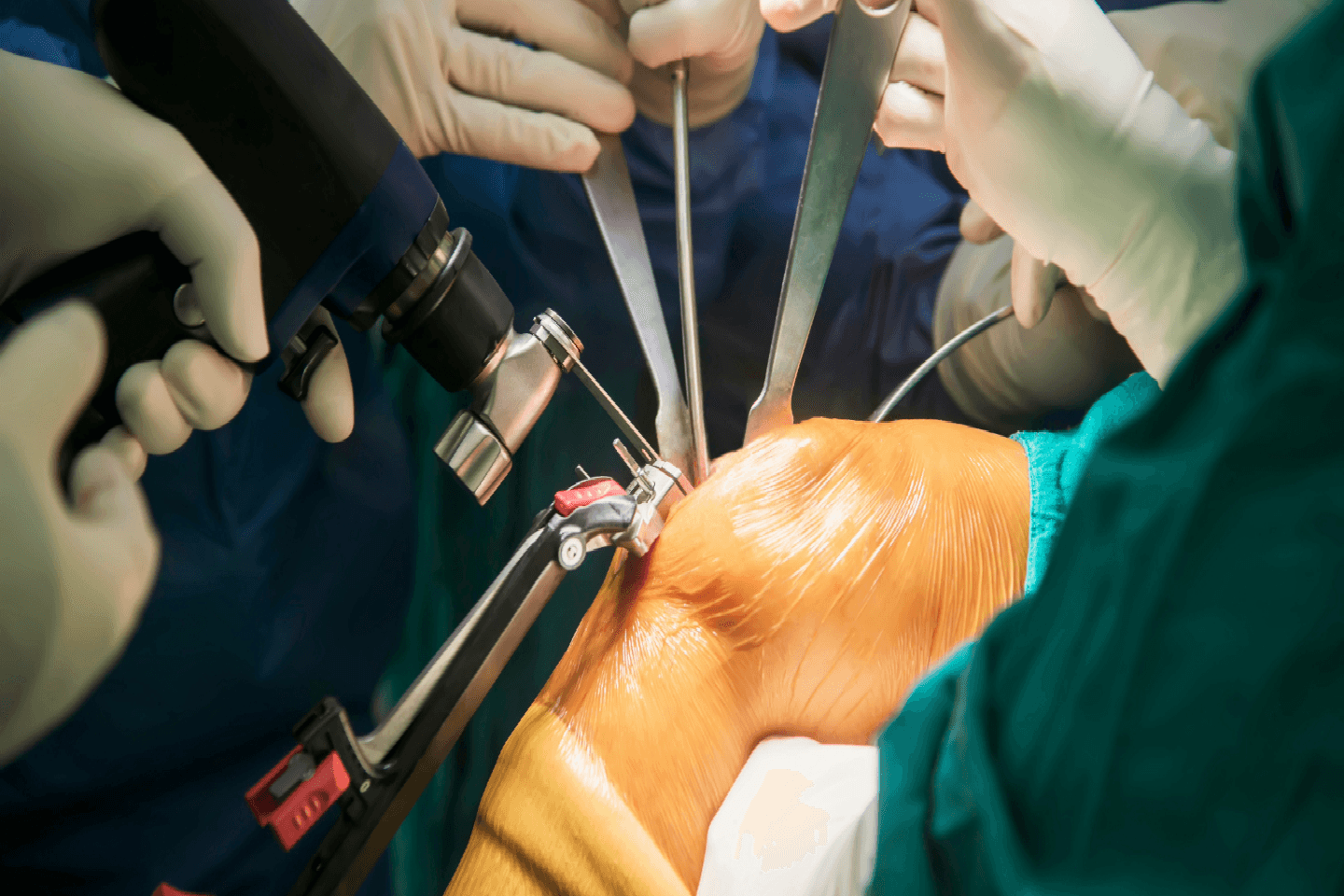
Knee replacement surgery, also known as knee arthroplasty, is a procedure in which damaged portions of the knee joint are removed and replaced with artificial components called implants. These implants are designed to replicate the natural movement of the knee and reduce pain caused by damaged cartilage and bones.
Depending on the patient's condition, an orthopaedic surgeon may recommend:
Total Knee Replacement: The damaged surfaces of the entire knee joint are replaced with artificial components.
Partial Knee Replacement: Only the affected portion of the knee joint is replaced while preserving healthy structures.
Revision Knee Replacement: An existing knee implant is repaired or replaced when complications or implant-related problems occur.
The appropriate procedure depends on the severity of joint damage, age, activity level and overall health.
When Should You Consult a Knee Replacement Surgeon?
Not every knee problem requires surgery. However, certain symptoms may indicate advanced joint damage that needs specialist evaluation.
You should consider consulting an experienced knee specialist if you experience:
Persistent knee pain that does not improve with medication.
Difficulty walking, standing or climbing stairs.
Knee stiffness that limits everyday movement.
Swelling and inflammation around the knee joint.
Pain that interferes with sleep or daily activities.
Reduced knee movement and difficulty bending or straightening the leg.
Limited improvement from physiotherapy and other non-surgical treatments.
Early consultation helps identify the underlying cause and determine whether conservative treatment or surgery is appropriate.
Common Conditions That May Require Knee Replacement
Several medical conditions can damage the knee joint over time. The most common include:
Osteoarthritis: This age-related condition causes the protective cartilage covering the knee joint to wear away, resulting in pain, stiffness and reduced mobility.
Rheumatoid Arthritis: An autoimmune condition that causes inflammation in the joints and may gradually damage knee cartilage and surrounding structures.
Post-Traumatic Arthritis: Previous knee injuries, fractures or ligament damage can lead to long-term joint deterioration.
Severe Cartilage Damage: Advanced cartilage loss can cause persistent discomfort and difficulty performing routine movements.
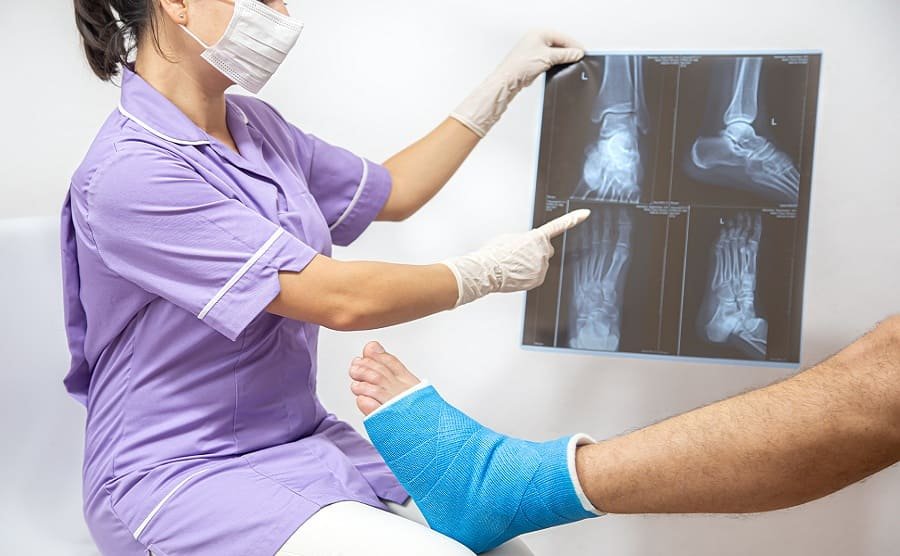
A detailed clinical assessment and appropriate imaging investigations help determine the extent of joint damage.
How to Choose the Right Knee Replacement Surgeon in Kolkata?
Selecting the right surgeon is an important part of the treatment journey. Patients should consider several factors before making a decision.
1. Orthopaedic Experience: Look for a surgeon with relevant experience in knee replacement procedures and managing complex knee conditions.
2. Accurate Diagnosis: A reliable specialist should evaluate your symptoms, medical history, physical condition and imaging reports before recommending surgery.
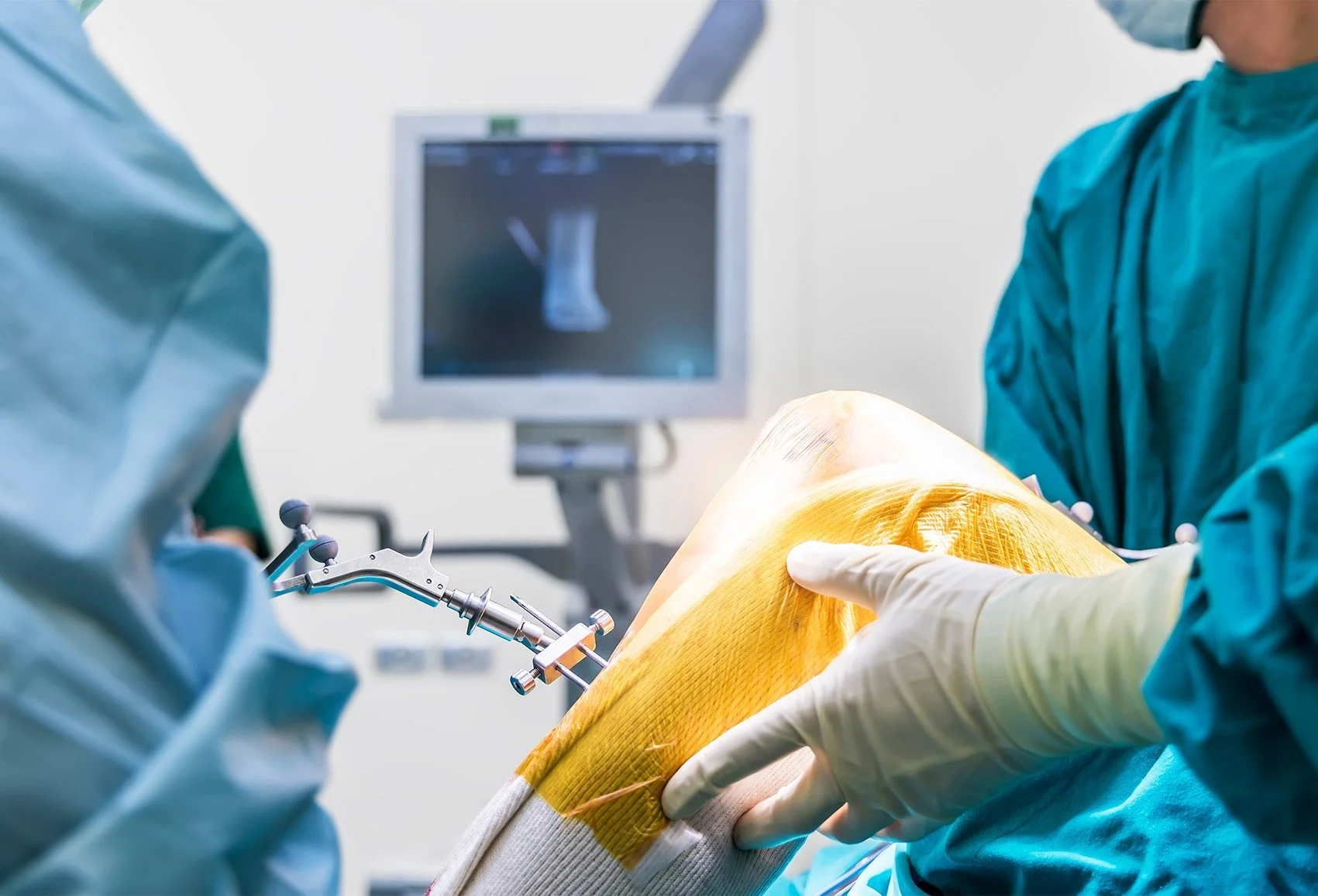
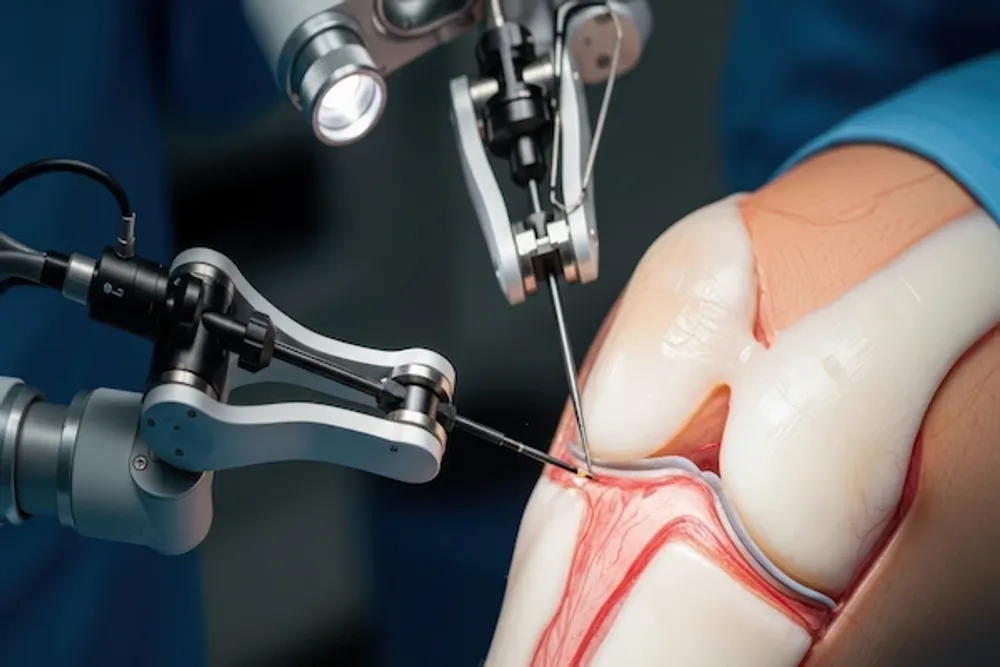
3. Surgical Techniques: Ask about the available surgical approaches, implant options and techniques suitable for your individual condition.
4. Patient-Centred Treatment: Every patient has different medical requirements. A personalised treatment plan helps address individual concerns and recovery goals.
5. Post-Surgery Rehabilitation: Physiotherapy and regular follow-up appointments play an important role in restoring knee movement and strength.
What Is the Recovery Process After Knee Replacement?
Recovery after knee replacement surgery takes time and requires proper medical guidance. Many patients begin assisted movement and walking with support soon after surgery, depending on their condition and the surgeon's advice.
The recovery process generally includes:
Following prescribed medications and wound-care instructions.
Starting physiotherapy and recommended knee exercises.
Gradually improving walking ability and joint flexibility.
Attending scheduled follow-up appointments.
Avoiding excessive strain during the initial recovery period.
Recovery timelines vary depending on age, general health, surgical factors and commitment to rehabilitation.
Frequently Asked Questions (FAQs)
1. Who needs knee replacement surgery?
People with severe knee joint damage, advanced osteoarthritis or persistent pain that affects daily activities may be considered for knee replacement after specialist evaluation.
2. Is knee replacement surgery safe?
Knee replacement is an established surgical procedure. However, like all major surgeries, it carries potential risks, including infection, blood clots and implant-related complications. A surgeon can explain the individual risks.
3. How long does recovery take after knee replacement?
Recovery varies between individuals. Many patients resume basic daily activities within several weeks, while complete rehabilitation may take several months.
4. Can both knees be replaced?
Yes. Depending on the patient's overall health and medical condition, a surgeon may recommend simultaneous or staged bilateral knee replacement.
5. How do I find the best knee replacement surgeon in Kolkata?
Check the surgeon's qualifications, experience in knee replacement procedures, treatment approach, hospital facilities and post-operative care before making a decision.
Conclusion
Living with chronic knee pain can affect independence, mobility and overall well-being. Choosing an experienced knee replacement surgeon in Kolkata can help patients understand their treatment options and make informed healthcare decisions. A proper diagnosis, suitable surgical approach and structured rehabilitation programme are essential for achieving better functional outcomes. If persistent knee pain is affecting your everyday life, consult a qualified orthopaedic specialist to discuss the most appropriate treatment.